Addiction is a family disease. When one person struggles with substance dependency, the entire family suffers — emotional strain, broken trust, financial stress, and relationship breakdown. Yet most traditional rehabilitation keeps families separate. We believe that's backwards.
Why Family Inclusion Transforms Recovery
When a spouse or parent (the "bystander") stays on campus during the 21-day programme, recovery becomes a shared journey:
- Families witness real change happening
- Communication patterns can be rebuilt in real-time
- Trust begins healing during the programme, not after
- Children and families feel included and hopeful
What Family Counselling Looks Like
MSW social workers facilitate sessions that:
- Help families understand addiction as a disease, not a choice
- Rebuild communication in safe, structured settings
- Address enabling patterns that sustained the addiction
- Create new family routines and boundaries
- Plan for sustainable relationships post-discharge
82% of families stay engaged with follow-up support 12 months after the programme. This isn't coincidence — it's because family healing started during those 21 days.
The Bystander's Role During the Programme
The family member staying on campus:
- Attends joint and separate counselling sessions
- Participates in daily community activities
- Learns about addiction, recovery, and healthy boundaries
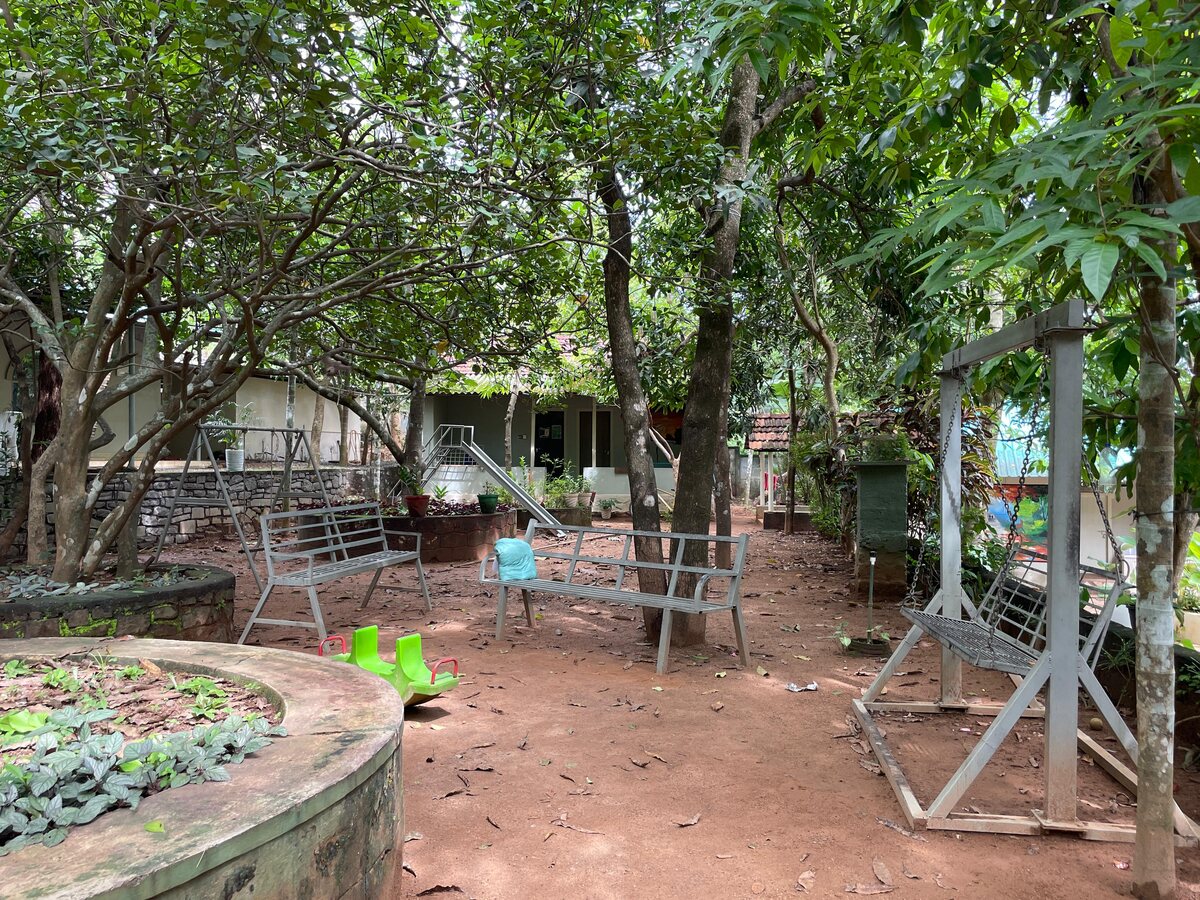
- Experiences the healing environment firsthand
- Rebuilds relationship with the resident in a supported setting
Post-Discharge: Sustaining Family Healing
The 12-month follow-up support helps families:
- Navigate challenges that arise after residents return home
- Maintain new communication patterns
- Support residents through high-risk situations
- Strengthen the family foundation for lasting recovery
Family Recovery Starts Here
Punarjjany's family-centered approach treats addiction as what it is: a family disease requiring family healing.
Call +91 97472 01015Keywords: Family therapy, rehabilitation, bystander involvement, addiction recovery, family counselling