A Residential Alcohol Recovery Programme in Kerala, Built Around the Family
Families across Kerala who search for an alcohol de-addiction centre usually want two things: safety, and a place that will treat their person with respect. Punarjjany offers a 21-day, voluntary residential recovery programme in Poomala, Thrissur, for mild-to-moderate alcohol dependence. One family member stays for all 21 days.
Dr. Johns K. Mangalam Road, Poomala PO, Thrissur 680581 · Phone answered 24/7
What this programme is, in six lines
Read these first. They will tell you quickly whether Punarjjany fits your situation.
Safety first
A medical assessment and medical clearance come before any admission.
21 days
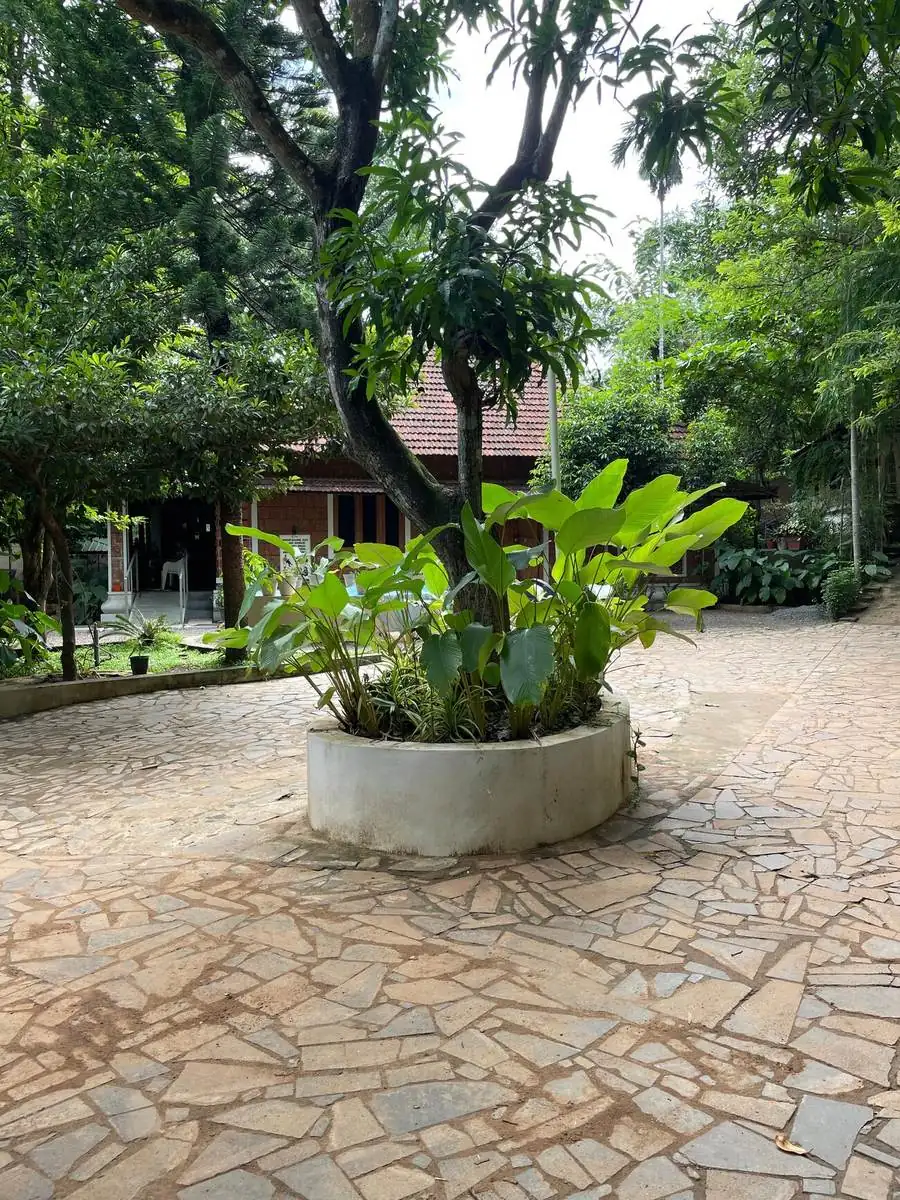
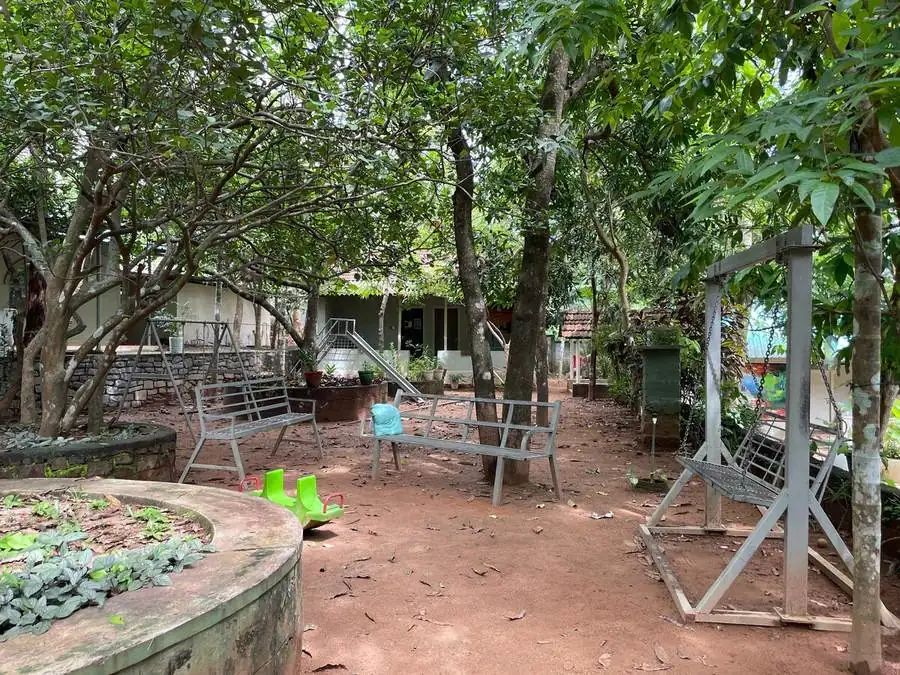
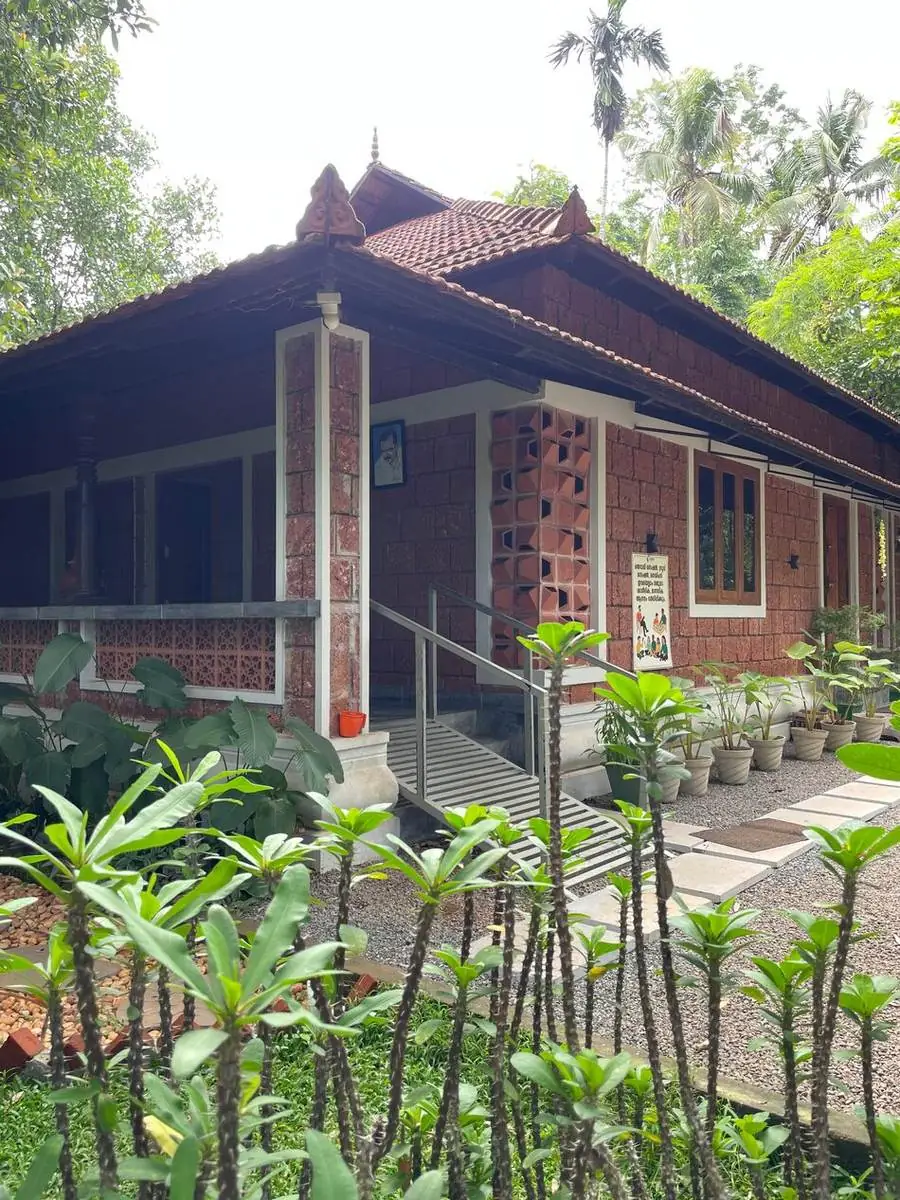
A residential programme with a steady daily routine, on one campus beside the Poomala dam.
Family inside
A spouse or parent stays on campus and joins family counselling.
Professional guidance
Doctors, a psychiatrist, psychologists and Ayurvedic practitioners, through consultations and scheduled visits.
Voluntary
Only for people willing to come. No locks and no forced stays.
Honest limits
Not a hospital. Severe withdrawal and emergencies are referred to one.
Is it safe to stop drinking suddenly?
Not always. When someone has been drinking heavily for a long time, stopping suddenly can bring on withdrawal: shaking, sweating, poor sleep and anxiety. In some people it becomes severe, with seizures, confusion, hallucinations or delirium tremens. That is a medical emergency, and it needs a hospital.
Punarjjany does not manage severe withdrawal and does not offer emergency detoxification. This is why every person has a medical assessment and needs medical clearance before admission. If the doctor judges that withdrawal could be risky, we refer the person to an appropriately equipped hospital first, and they are welcome to join the programme once that stage is safely over.
Our article on when hospital-based detoxification is necessary explains the warning signs in plain language. If you see them now, please go to the nearest hospital.
How are the 21 days organised?
The days follow a clear routine, and what each person receives is set after an individual assessment. The full outline is on the 21-day programme page. In short, it may include:
- ✓
Assessment and consultations
Medical practitioners, a psychiatrist, psychologists and Ayurvedic practitioners are engaged through consultations and scheduled visits, according to each person's needs. Medicine is used only when a doctor advises it.
- ✓
Counselling and classes
Individual counselling, group sessions and classes on triggers, coping and relapse prevention.
- ✓
Ayurveda, yoga and rest
Where suitable, Ayurvedic therapies and daily yoga support calm and sleep. More on Ayurveda in recovery.
- ✓
A plan to take home
Each resident leaves with a written personal recovery plan. Twenty-one days is the length of the programme, not a promise of a result.
Why is the family part of the programme?
Years of drinking change how a whole household speaks, trusts and copes. So one family member, usually a spouse or parent, lives on campus for the full 21 days, in separate dormitories for men and women. They join family counselling, sit in on classes and share the daily routine.
When the stay ends, the person going home is not the only one who has changed. Our guide for families covers how to raise the subject at home and what to expect.
Why Punarjjany is not a typical de-addiction centre
Punarjjany means rebirth. It was founded in 2004 by the late Dr. Johns K. Mangalam, a philosophy professor and advocate who lived with alcoholism for some twenty years and stopped drinking in 1999. He believed a person with addiction is someone harmed by a substance, not a wrongdoer, and that recovery asks for compassion without judgment or locked doors. You can read his story here.
What does it cost, and how do families from other districts reach us?
The fee is Rs 45,000 for the 21-day programme. Laboratory tests, medicines prescribed by the doctor, outside hospital care and travel are extra. The details are on our fees page, and the steps before arrival are on the admission page.
Families come from every district of Kerala. If you are nearby, see our centre in Thrissur; from elsewhere, find directions from your city. For substances other than alcohol, read about drug rehabilitation in Kerala.
Questions families in Kerala ask about alcohol recovery
Short, direct answers. Call us if yours is not here.
Is Punarjjany a hospital, and do you provide detoxification?
No. Punarjjany is a residential recovery and rehabilitation centre, not a hospital, and it has no ICU. It does not provide emergency detoxification or medically managed severe withdrawal. Each person has a medical assessment and needs medical clearance before admission, and anyone at risk of severe withdrawal is referred to an appropriately equipped hospital first.
Is it dangerous to stop drinking suddenly?
It can be. After long or heavy drinking, stopping suddenly can bring on withdrawal, and in some people this becomes severe, with seizures, confusion or delirium tremens. That is a medical emergency that needs a hospital. Speak to a doctor before stopping, and go to the nearest hospital if these signs appear.
How long is the alcohol recovery programme?
The residential programme runs for 21 days. That is the length of the programme, not a promise of a particular result. Each person leaves with a written personal recovery plan.
Does a family member really have to stay?
Yes. One family member, usually a spouse or parent, stays on campus for the 21 days in separate dormitories for men and women, and takes part in family counselling.
We live in another district of Kerala. Can we still come?
Yes. Families come to Poomala from every district of Kerala and from other states. Call or WhatsApp +91 97472 01015 and we will talk through travel, assessment and admission.
Talk to us before you decide anything
Call or WhatsApp at any hour. We will explain the assessment, what to bring and what the 21 days involve, with no pressure and no obligation.
One step at a time, with your family beside you.
See how each day is structured, or read exactly what the fee covers.
This page is general information, not medical advice. Each person's plan at Punarjjany is set after an individual assessment. In a medical emergency, please go to the nearest hospital immediately. Last reviewed: 14 November 2026.