A childhood shaped by his father's struggle
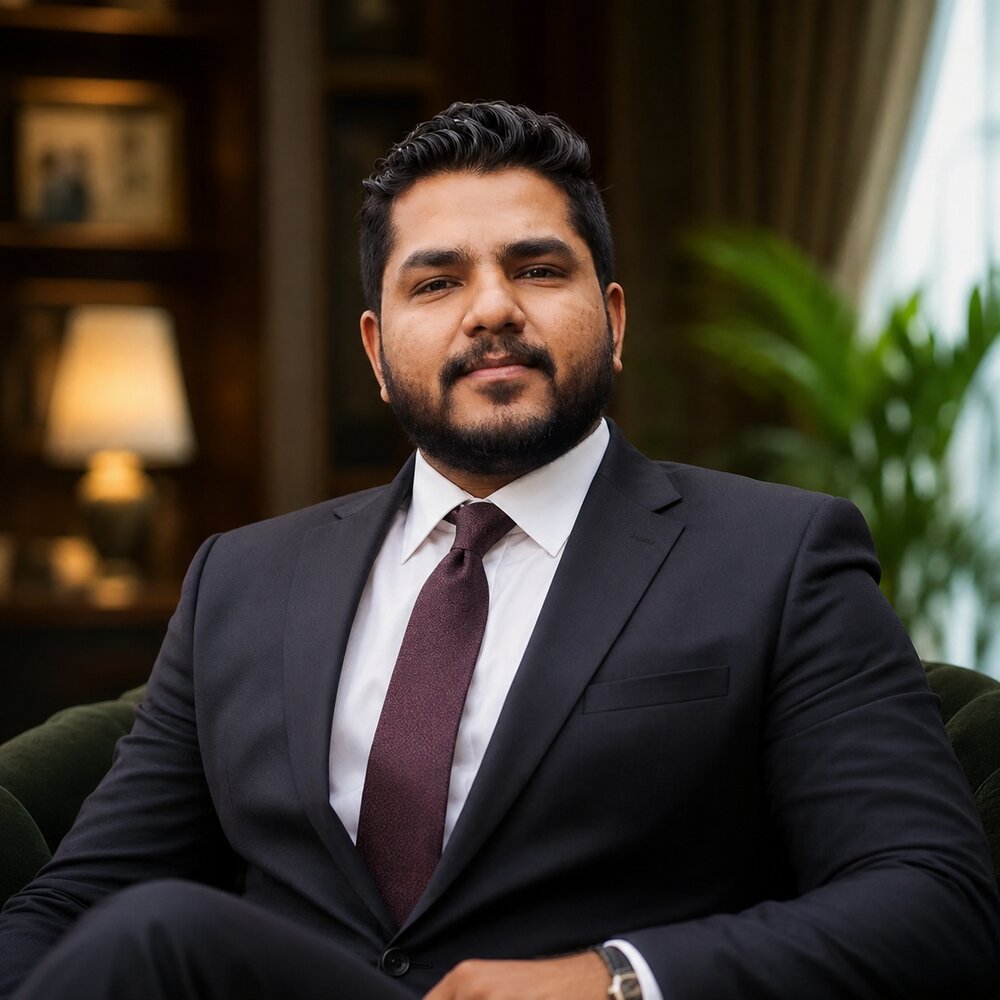
Sooraj Johns Mangalam is the only son of Dr. Johns K. Mangalam, and he grew up watching his father's alcoholism firsthand — the rise and the fall of it, and the pain it caused everyone around him. That vantage point, difficult as it was, gave him something few people running de-addiction centres have: direct, lived understanding of what it feels like to be the child, and later the family, of someone struggling with addiction.
He was still young when his father found recovery and, not long after, founded Punarjjany. Sooraj grew up alongside the institution itself, watching his father rebuild a family and then spend the rest of his life helping thousands of other families do the same.
The choice that changed his own life too
Sooraj is candid about what his father's recovery meant for his own life. Had his father not chosen, at thirty-seven, to stop drinking, Sooraj's own path — his education, his stability, the family he grew up in — would very likely have looked completely different.
That gratitude is a large part of why he relates so directly to the spouses and children of the residents who come to Punarjjany today — he has stood exactly where they stand.
Choosing Punarjjany as his life's purpose
Sooraj trained as an electronics engineer before moving to the UK to complete a postgraduate degree in Marketing and Management. He was building a well-paying career there when Dr. Johns K. Mangalam passed away on 25 November 2020 — and in the years that followed, with its founder gone, Punarjjany's work slowed.
Rather than let his father's life's work fade, Sooraj made a decision: he gave up his career in the UK and returned to India in 2024 to take Punarjjany back up himself, full-time, as his own life's purpose. He now serves as Executive Director and Managing Trustee of Punarjjany Charitable Trust, working alongside a team he describes as just as passionate about the mission as he is, to bring the centre back to the standard his father had built it to.
He is direct about what continuing the institution means to him: keeping the foundation and values his father built completely intact, rather than reshaping Punarjjany around his own ideas. The 21-day programme, the family-centred philosophy, the emphasis on dignity over confinement — all of it continues exactly as his father designed it.
His father's voice, still guiding the campus
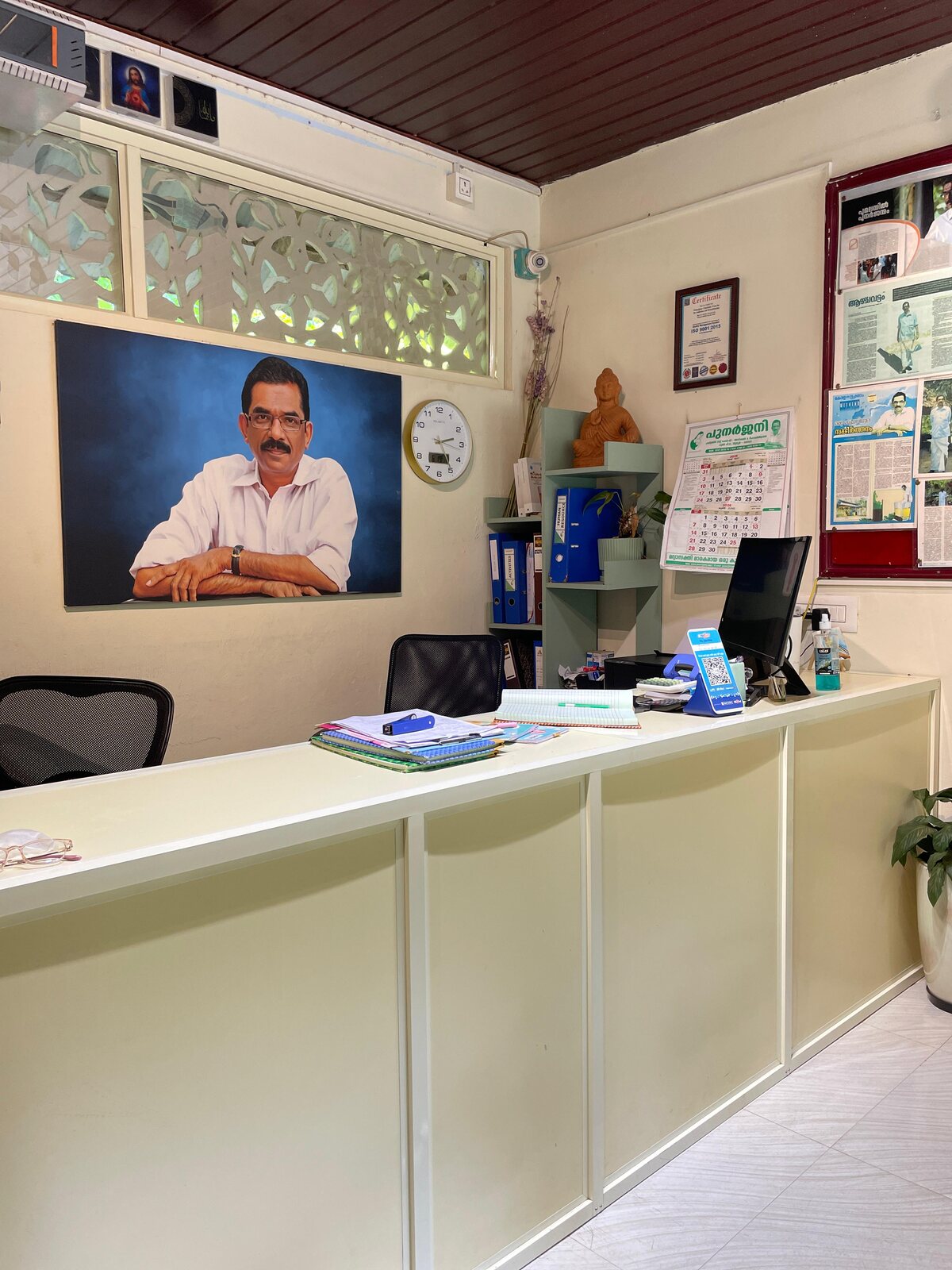
The Punarjjany campus sits beside the serene, natural surroundings of the Poomala dam — a setting Sooraj describes as part of what makes healing possible there. He speaks of still feeling his father's energy on the grounds he built, and the recorded video classes Dr. Mangalam once taught in person are still played for every new resident today, six years after his passing.
Energy drawn from families who return, healed
Running an institution built around other people's hardest days is not easy work, and Sooraj doesn't pretend otherwise. But he and his team find their motivation in a specific, recurring moment: when a former resident, or their family, comes back later — not for treatment, but simply to share that they're living a better life now.
Alongside his team of counsellors, doctors, and social workers, he considers running Punarjjany to be their shared life's work — one they show up for because they believe, as his father did, that thousands of families deserve the chance to reclaim their lives.